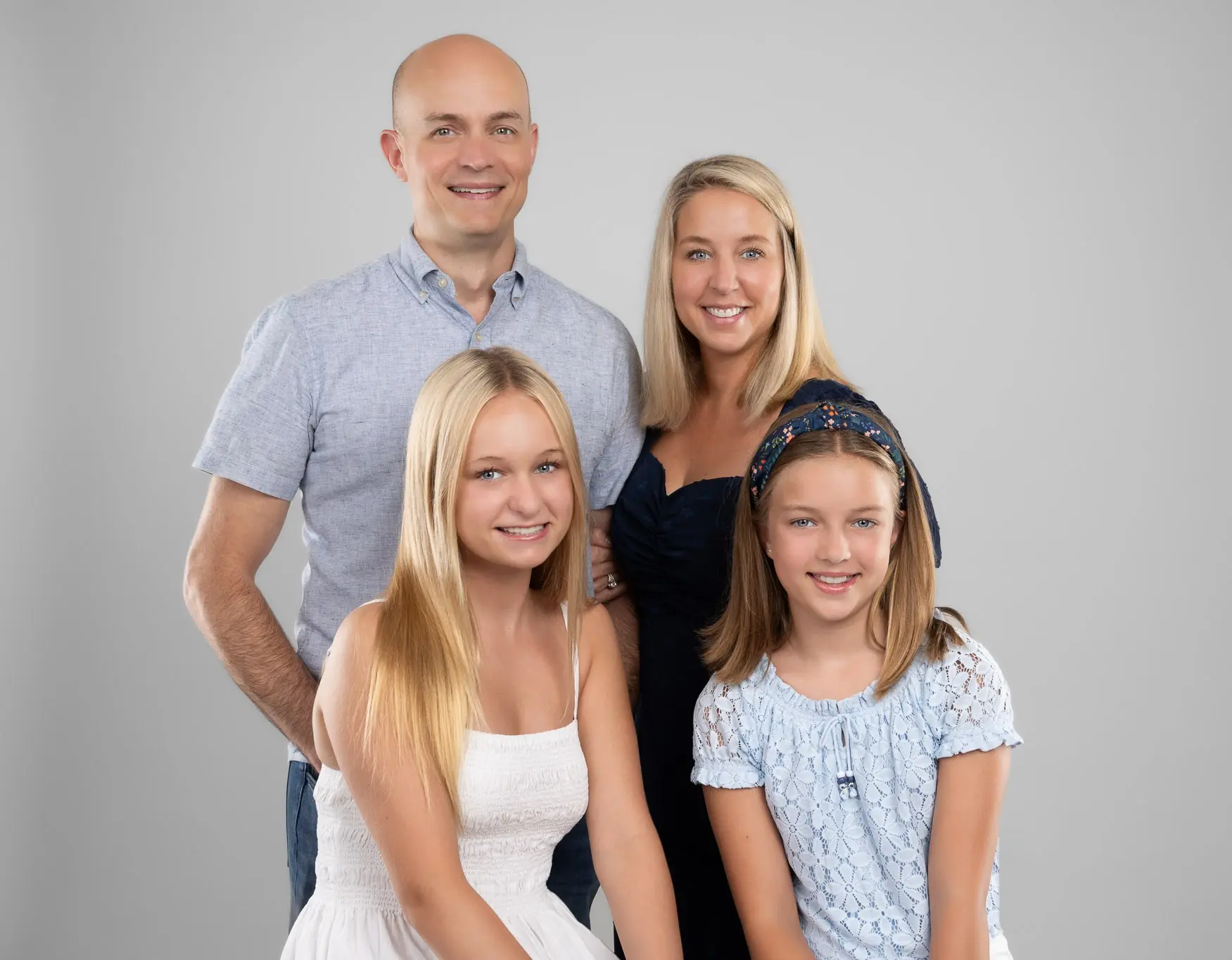
A remarkable photograph starts long before the camera clicks. It begins with a well-prepared studio, intentional lighting, and a photographer who knows how to make you feel comfortable in front of the camera. Whether you are booking your first portrait session, updating headshots, planning family photos, or creating images for your business, understanding the studio experience can help you feel more confident before you arrive.
Aaron Gang Photography creates warm, natural, and professional portraits for people who want images that feel personal, polished, and true to who they are. This guide explains what to expect from a professional photography studio in Chicago and how the right studio setting supports a better session from start to finish.
Why Choose a Professional Studio Setting?
A professional studio gives your session a controlled setting where lighting, background, and overall mood can be adjusted with care. Instead of worrying about distractions or changing conditions, the focus stays on you, your expression, and the purpose of the photos.
This level of control is especially important for professional headshots, family portraits, actor headshots, pet portraits, personal branding, and business photography, where consistency and polish matter. The studio setting helps create images that feel intentional, flattering, and cohesive.
Studio Lighting: The Secret to Every Great Shot
Studio lighting is one of the most important elements of professional photography because it shapes the mood, depth, and overall quality of every image. Different lighting techniques create unique visual effects depending on the desired style. Rembrandt lighting creates a small triangle of light on the shadowed cheek, making it ideal for dramatic and character-focused portraits. Butterfly lighting produces a butterfly-shaped shadow beneath the nose and is widely used in beauty and fashion photography because it enhances facial features.
Split lighting divides the face into equal areas of light and shadow, creating a bold and artistic look that is often used in editorial portraits. Broad lighting illuminates the wider side of the face to create a softer, more natural appearance while helping balance facial proportions. Loop lighting, one of the most popular portrait techniques, creates a small loop-shaped shadow beside the nose, resulting in a clean, flattering, and professional look suitable for a wide range of photography styles.
How Does a Chicago Photography Studio Session Work?
A studio photography session usually begins with a conversation about what you need the images for. Your photographer may ask whether the photos are for LinkedIn, a company website, actor submissions, family keepsakes, pet portraits, personal branding, or another purpose. That conversation helps guide the lighting, backdrop, posing, and overall direction of the session.
Once the session begins, your photographer will guide you through positioning, facial expressions, posture, and small adjustments that make a noticeable difference. You do not need to know how to pose before you arrive. A good studio experience should feel guided, relaxed, and collaborative.
What To Expect from a Professional Photographer in Chicago
A professional photographer in Chicago has much more to offer than just technical skill. They have a creative eye, people skills, and the ability to direct their subjects naturally. Chicago photographers often bring strong technical skill, creative direction, and local experience to portrait sessions, but the right fit should also make clients feel comfortable, guided, and natural in front of the camera.
Look for consistency in a photographer’s portfolio, how they work with different people, and how clearly they communicate before the session. The best photographers do more than take pictures; they manage the whole experience by helping clients feel comfortable, keeping the session organized, and delivering a final gallery that feels cohesive.
What Makes a Studio Session Feel Professional?
A successful studio photography session depends on preparation, but as the client, you should not have to think about the technical setup. The right studio should already have lighting, backdrops, seating, reflectors, and other tools ready so the session can move smoothly. That preparation helps you spend less time worrying about logistics and more time feeling comfortable in front of the camera.
Details such as clean backdrops, flattering lighting, a comfortable stool or chair, a mirror, and a calm studio environment all contribute to the final result. When the space is prepared well, the photos feel more polished and the session feels easier from start to finish.
How Should You Prepare for a Portrait Photoshoot?
Preparing for a portrait session does not need to be complicated. A few simple choices can help you feel more confident and help the final images look stronger. Solid colors, well-fitted clothing, and simple layers usually photograph better than busy patterns or oversized pieces. For headshots and professional portraits, it is also helpful to bring a few options so your photographer can help choose what works best on camera.
It is also a good idea to get enough sleep the night before, arrive a little early, and give yourself time to settle in. If you wear makeup, choose a polished version of your normal look. Studio lighting can soften some details, so a slightly more defined application can help while still looking natural.
Why Headshot Photography Is Different from Other Portraits
The headshot photography in the Chicago market has grown quite a bit in recent years, thanks to demand from corporate professionals, actors, real estate agents, LinkedIn users, and entrepreneurs. A headshot is often the first image someone sees of you, and that one image has to tell a story of confidence, approachability, and authenticity all at once.
Intentionality is what takes a good headshot to a great one, and the lighting needs to be flattering and clean. The background should be neutral enough that it is not distracting but interesting enough that it is not sterile. The main thing is that the expression has to look natural, not forced or overly posed. This is where the guidance of a good photographer comes into play.
Image Review and Final Editing: What Happens After Your Shoot
After the session, the photographer will usually review the images and narrow them into a gallery or proofing set. From there, you may be able to choose your favorites depending on the package or session type. This process helps ensure the final images are not only technically strong but also aligned with how you want to present yourself, your family, your pet, or your business.
Professional editing should enhance the photograph without making it look artificial. For headshots, portraits, and business photography, clean skin tones, balanced color, and natural retouching usually work best. The goal is to deliver images that look polished while still feeling honest and recognizable.
Why the Best Chicago Photography Studios Stand Out
Not every studio experience is the same. The best Chicago photography studios offer more than a clean room and a camera. They provide reliable lighting, professional-quality backdrops, thoughtful direction, a comfortable environment, and a process that helps clients feel at ease.
Location and accessibility matter as well. Easy parking, clear communication, and a welcoming atmosphere all help make the session smoother. When the studio feels organized and comfortable, clients can focus less on the process and more on being themselves in front of the camera.
How to Choose the Best Backdrop for Your Photography Shoot
The backdrop you choose sets the tone of an entire photograph before a light fires. This is one of the most underrated decisions in studio photography, but it directly defines the way the subject is perceived in the final image.
Here’s a quick list of the most used studio backdrops and when to use them:
• White Seamless Paper: The most versatile in any studio and great for corporate headshots, clean portraits, and editorial-style images. It is light reflective, so watch for overexposure around the edges.
• Black Backdrop: Ideal for high-contrast, dramatic portraits. It does not reflect light; it absorbs it. The images have a moody, polished feel. Fine art and musician photography are popular.
• Gray Background: The Goldilocks zone between white and black. The mid-gray background is very flattering to skin tones and gives images a classic, professional feel. It is a go-to for LinkedIn headshots and executive portraits.
• Textured Canvas or Muslin: Adds depth and warmth to a portrait without distracting from the subject. Great for lifestyle portraits, personal branding sessions, and approachable studio portraits.
• Colored Backdrops: Navy, forest green, terracotta, and other bold colors are popular for personal branding and creative portrait work. The trick is to choose a color that complements the subject’s skin tone and clothing, not one that works against it.
• Gradient Backdrops: Fade from a darker color on top to a lighter color on the bottom and provide a natural sense of depth to flat studio setups. They look great in photos with minimal lighting adjustments.
All Great Shots Begin with a Great Studio
Every professional photo that makes people stop scrolling is built on smart preparation, strong technique, and a studio environment designed to support the person being photographed. In this photo studio guide, we have covered what clients need to know before a session, including lighting, preparation, backdrops, image review, and what makes a professional studio experience feel smooth and comfortable.
Looking to create portraits, headshots, family photographs, pet portraits, or business images that feel natural and polished? Aaron Gang Photography offers a welcoming studio experience designed to help you feel comfortable while creating images you can use, share, and keep for years to come.
FAQs:
1. What is the best lighting setup for a studio portrait?
Loop lighting is one of the simplest and most flattering lighting setups for portraits. It is versatile, clean, and widely used in professional headshots and portrait sessions.
2. How far in advance should I book a professional photography session in Chicago?
It is usually best to book one to two weeks in advance, especially if you need a specific date or time.
3. How long is a studio portrait session?
Most portrait sessions are one to two hours, depending on the type of session, number of looks, and package selected.
4. Do I need professional makeup for a headshot session?
Professional makeup is optional, but it can help create a polished look. If you do your own makeup, aim for a clean, slightly more defined version of your everyday look.
5. Can I bring my own props or wardrobe options?
Yes. Bringing a few wardrobe options or meaningful personal items can help make the session feel more customized. Your photographer can help decide what works best on camera.