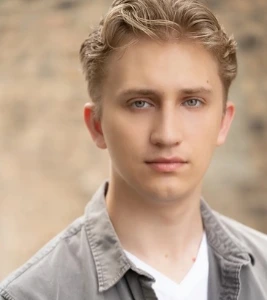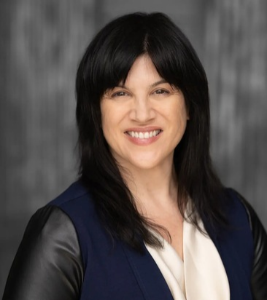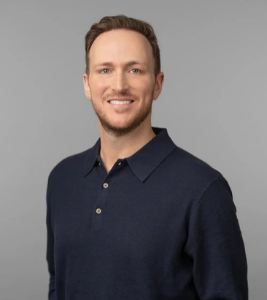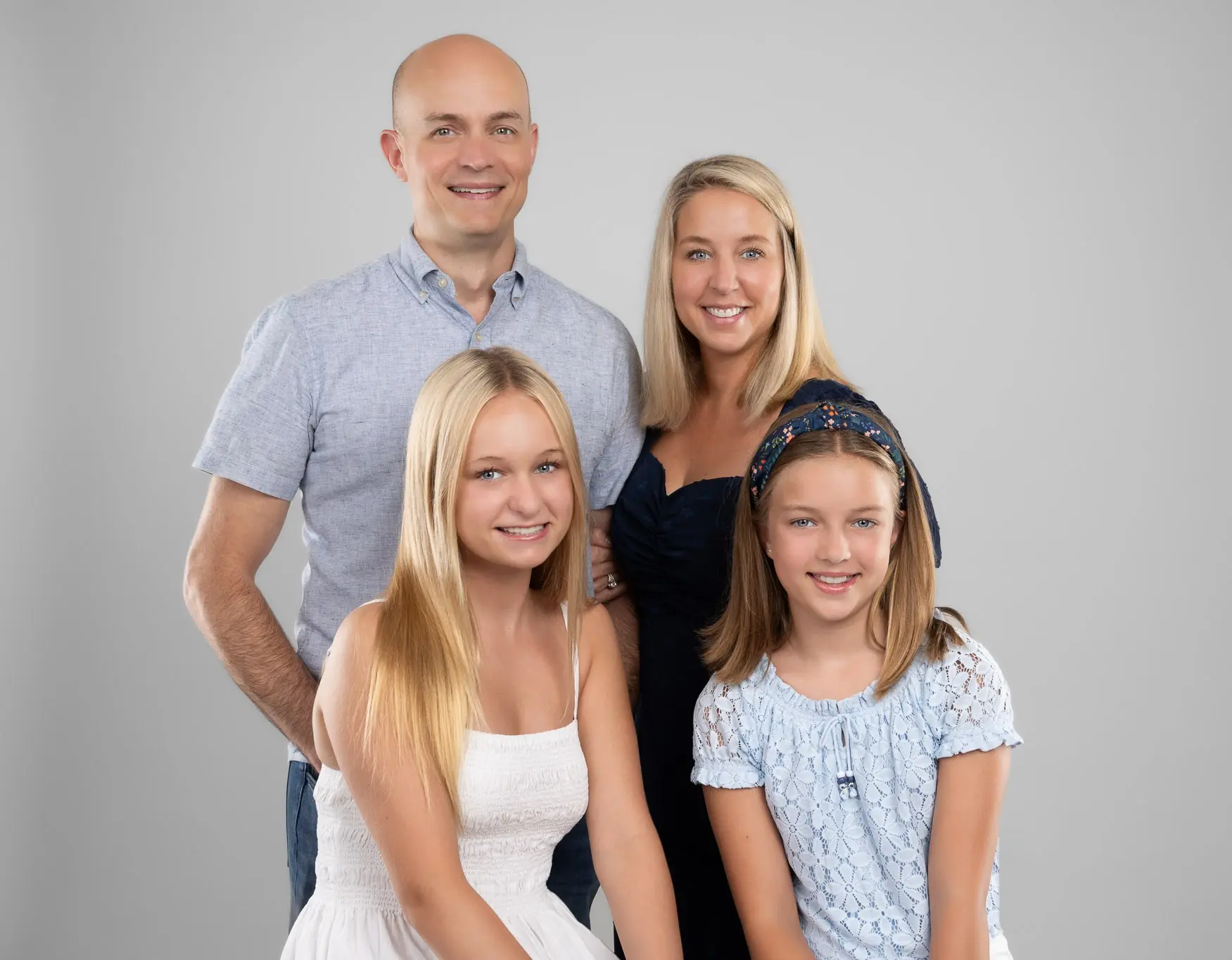
A corporate headshot is one of the most important images a professional will ever have taken. It appears on LinkedIn profiles, company websites, email signatures, press releases, and speaker bios. In most cases, it’s the very first impression someone forms of you before a conversation ever begins. Despite how much this single image does, most people walk into a headshot session with little to no preparation — and it shows.
The good news is that a strong headshot isn’t just about having a great photographer. It’s equally about how prepared you are when you arrive. Following a clear checklist to prepare for your corporate headshot eliminates guesswork, reduces session-day anxiety, and directly improves the quality of the final images. When working with a Chicago commercial photographer, preparation becomes even more valuable for achieving polished, professional results. The steps below walk you through everything—from what to wear and how to groom, to what to communicate before you even show up.
The 8 Step Checklist to Prepare for Your Corporate Headshot
1. Clarify the Purpose of Your Headshot
Before you think about what to wear or how to style your hair, start by asking one question: What is this photo actually for? A headshot for a LinkedIn profile has different requirements than one for a corporate directory, an executive bio, or a speaking engagement. The intended use shapes every other decision — the tone of your expression, the formality of your clothing, and even the background style. Once you’re clear on the purpose, share that context with your photographer so they can plan the session around it.
2. Plan Your Outfit at Least Three Days in Advance
Clothing is the most common area where people get it wrong. The goal is to look professional without distracting from your face. Solid, neutral, or mid-tone colors photograph cleanly — navy, charcoal, white, soft grey, and burgundy all work well. Avoid busy patterns, bold logos, and bright neon shades that pull the eye away. Fit matters just as much as color. A well-fitted blazer or shirt instantly communicates competence and attention to detail. Bring two or three outfit options to the session so you have flexibility. Wrinkled clothes photograph exactly as wrinkled as they look in real life, so steam or iron everything the night before.
3. Schedule Grooming Appointments Well Ahead of Time
Grooming should be handled a few days before the session, not the morning of. If you’re planning a haircut, schedule it four to seven days in advance. A fresh cut on the day of a shoot can look slightly too sharp or unsettled on camera. For those who color their hair, touch-ups are best done about a week beforehand. On the day of the session, keep your hair natural and clean. For men, shaving or trimming facial hair the evening before gives skin time to settle. For women, makeup should be consistent with how you normally present yourself professionally — this isn’t the time to experiment with a new look. The camera tends to amplify everything, so the goal is polished and natural, not dramatic.
4. Prioritize Sleep and Hydration the Night Before
This step sounds obvious, but it’s more consequential than most people expect. Fatigue shows on camera in ways that are very difficult to correct in editing — slightly sunken eyes, flat skin tone, and a general lack of energy in the expression. A full night of sleep before your session means your eyes are brighter, your skin looks healthier, and your expression holds energy naturally. Drink water the night before and the morning of the shoot. Avoid alcohol the evening before, as it can leave skin looking puffy and dull. Small details like these make a measurable difference when the camera is two feet from your face.
5. Practice Your Expression Before the Day
Expression is what separates a good headshot from a great one, and it’s something you can actually practice. Stand in front of a mirror or take some test photos with your phone. Notice what a natural, engaged expression looks like on you versus a forced smile. Most people’s default camera face is either too stiff or too theatrical — neither reads well in a professional context. The goal is an expression that feels genuine: relaxed jaw, soft eyes, and a slight natural smile. Practice holding it for a few seconds at a time. When you arrive at the session, you’ll already know what it feels like, which makes it significantly easier to access on command.
6. Communicate With Your Photographer Before the Session
A headshot session produces better results when the Chicago commercial photographer understands your context. Before your appointment, reach out and share details about where the images will be used, what your industry is, and the kind of impression you want to make. A financial advisor and a creative director have very different goals for a headshot, and a skilled photographer will adjust the setup, lighting, and direction accordingly. This conversation also gives you a chance to ask about what to expect on the day, how long the session will run, and when you can expect the final images. Going in informed is going in confident.
Getting a Corporate Headshot in Chicago
If you’re based in the city and looking for a Corporate Headshot in Chicago, the checklist above applies in full — but there are a few things worth knowing about the local process. Chicago businesses tend to work in fast-moving environments, and a professional headshot session here is designed to fit around that. Sessions are typically scheduled on weekdays with morning slots available to minimize disruption to the rest of the workday. Many professionals in the city opt for a clean, neutral-background studio setup that works across industries — from finance and legal to tech and marketing. The consistent quality of light in a studio environment also means the images work well both on screen and in print.
For teams and organizations, coordinating a group session at a Chicago studio is far more efficient than scheduling individuals separately. It keeps the visual style consistent across every team member’s headshot, which matters when all the photos appear together on a company website or in a pitch deck. Whether you’re a solo professional or part of a large team, the preparation steps remain the same, and following them makes the session faster, smoother, and better for everyone involved.
7. Arrive Early and Give Yourself Time to Settle
The environment right before a photoshoot matters more than most people realize. If you rush into the studio after a stressful commute, that energy carries into the first several frames of the session. Your posture is tighter, your expression is less relaxed, and your mind is still processing the friction of getting there rather than focusing on the shoot. Arriving ten to fifteen minutes early solves this completely. Use that time to check your appearance in a mirror, smooth out any clothing that shifted during transit, touch up your hair or makeup if needed, and simply breathe. A few calm minutes before the session begins means you’re genuinely settled by the time the camera comes out. Sessions that start calmly tend to stay calm throughout, and the resulting images show it.
8. Let Go and Trust the Direction You Receive
The final item on the checklist to prepare for your corporate headshot is about mindset rather than logistics. Once you’ve done the preparation, your role in the studio is not to manage every detail of how you look — it’s to listen, respond, and stay present. A skilled photographer will direct you through poses, angles, and expressions. Your job is to follow that direction and trust that the photographer can see things you can’t from your position. The self-consciousness that most people feel in front of a camera tends to peak in the first few minutes and then naturally subsides, especially when the direction is clear and the environment is calm. The images that come from the second half of a session, after that initial tension has passed, are almost always stronger than the ones from the first few minutes. Preparation is what makes it possible to get to that relaxed state quickly. Everything you’ve done in the days leading up to this moment was in service of being able to let go right here.
How These Steps Work Together
It’s worth stepping back to see how these eight steps form a coherent whole rather than a disconnected list of tasks. The first two steps — clarifying your purpose and planning your outfit — are about intention. They set the direction for everything that follows. The next two — grooming and sleep — are about showing up physically prepared. They ensure that the raw material you bring to the session is the best version of what’s possible. Steps five and six — practising your expression and communicating with your photographer — are about alignment. They create the conditions for the session to go smoothly. And the final two — arriving early and trusting the process — are about execution. They’re how you take everything you’ve prepared and convert it into actual results.
When all eight steps are followed, the effect is compound. Each one removes a source of friction or uncertainty, and together they create a session environment where great images become the most likely outcome rather than a lucky exception. That’s what a well-executed checklist to prepare for your corporate headshot actually delivers — not perfection, but a reliable path to images that represent you at your professional best.
Ready to Book Your Session?
If your current headshot no longer represents where you are professionally — or if you’ve never had a proper one taken — now is the right time to change that. A well-prepared session with an experienced photographer produces images that do real work: they build credibility on LinkedIn, add authority to your website bio, and give potential clients and collaborators a strong first impression before a single conversation takes place.
Aaron Gang Photography makes the entire process clear and straightforward. From the initial booking to final image delivery, every step is organized and explained so there are no surprises. Proofs are typically ready the next day, and final edited images are delivered within a week, fast enough to keep up with how professionals actually work. If you’ve followed this checklist and you’re ready to book, reach out to Aaron Gang Photography and schedule your corporate headshot session today. You’ve done the preparation. Now let the results speak for themselves.
Frequently Asked Questions
How early should I prepare for my corporate headshot?
Start about one week before your session. This gives you enough time for grooming, outfit selection, photographer communication, and practicing expressions.
What colors should I wear for a corporate headshot?
Choose solid neutral or mid-tone colours like navy, grey, white, burgundy, or green. Avoid bright colors, large logos, and busy patterns.
How can I practice a natural expression?
Spend a few minutes in front of a mirror or phone camera. Try to relax your face, keep your eyes engaged, and practice a natural smile.
What should I bring to my session?
Bring 2–3 outfit options, a small grooming kit, and any reference photos or company requirements for background and crop style.
How long does a corporate headshot session take?
Most individual sessions take 30–60 minutes, depending on outfit changes and the number of shots needed.
Is a professional headshot better than a phone photo?
Yes. Professional headshots have better lighting, composition, and quality, helping create a stronger and more credible first impression.
What if I’m not happy with my final headshots?
Most photographers allow feedback before final edits, so adjustments like cropping, retouching, or color changes can be made.