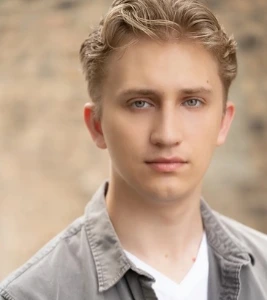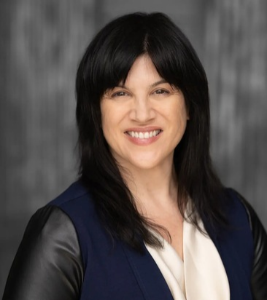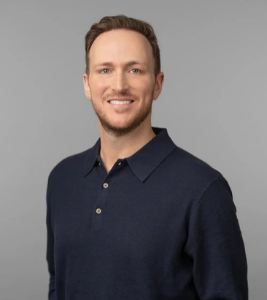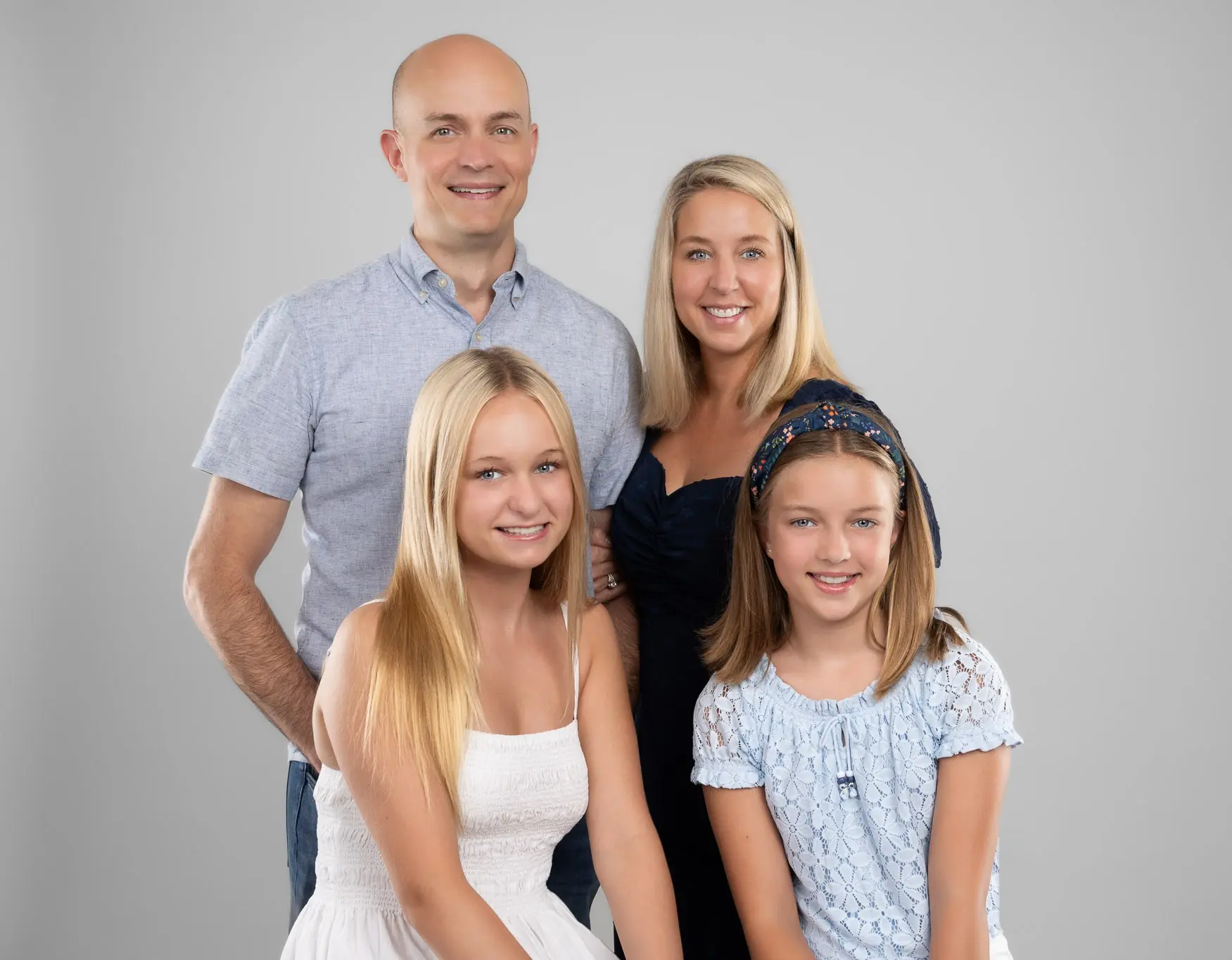
A professional headshot is often the first impression people form of you on LinkedIn, a company website, or a professional profile. Knowing the common headshot mistakes can help you avoid an image that undersells your experience. Small issues, like the wrong clothing, a forced smile, or poor posture, change how confident you look. Most of these problems disappear with a bit of preparation and the right direction during a studio session. When you know what to expect beforehand, you walk in ready to create a headshot that actually looks like you and supports your professional goals.
Why a Professional Headshot Matters
Your headshot introduces you before you get the chance to speak for yourself. Whether someone is scanning your resume, checking your company profile, or researching your business, that single image shapes their first impression of you. A current, natural-looking headshot signals that you take your professional presence seriously and helps create a polished first impression before you even meet. Working with an experienced headshot photographer Chicago can help ensure that your expression, pose, lighting, and overall appearance reflect the professional image you want to present.
A lot of people assume a strong headshot comes down to camera quality. That’s not really true. Lighting, posing, genuine expression, and preparation all play an important role alongside the equipment itself. Once you understand these pieces, it becomes much easier to sidestep the common headshot mistakes before your session even starts.
Wearing Clothing That Distracts From Your Face
One of the most frequent headshot photography mistakes is picking an outfit that pulls focus away from the person wearing it. Bright patterns, big logos, and busy graphics compete with your face for attention.
Your headshot should help people remember you, not your shirt. Simple, well-fitting clothing in solid colors photographs more cleanly and reads as more professional. The outfit should also match your field without tipping into overly formal or too relaxed.
It helps to bring a couple of outfit choices to your session. That way, you and your photographer can decide together which one works best under studio lighting and fits the purpose of the shoot.
Using an Outdated Headshot
Plenty of professionals keep the same headshot for years because updating it feels like a hassle. But an old photo can create an odd moment when someone finally meets you in person, and you look nothing like your profile picture.
A new hairstyle, a beard grown or shaved, new glasses, even a shift in personal style- all of these make an older headshot less accurate. Your image should reflect who you are now, not who you were five years ago.
Refreshing your headshot periodically keeps your LinkedIn profile, website, and other professional pages consistent. It also shows that you care about presenting yourself honestly.
Trying Too Hard to Smile
Many people assume they need to hold a big grin for the entire shoot. Forced smiles are usually easy to spot, and they end up looking stiff instead of confident.
A natural expression connects with the viewer because it feels real. Depending on your profession and where the photo will be used, that might mean a warm smile, a relaxed look, or a calm, steady expression.
This is where expression coaching matters. During a session, a photographer guides your expression through conversation and small adjustments rather than asking you to freeze in one pose. The result looks authentic instead of staged.
Poor Posture Can Change Your Entire Image
Posture is easy to overlook, but it changes the photo more than people expect. Slouching makes you look tired or unsure. Standing too rigidly looks just as uncomfortable.
Good posture isn’t about standing ramrod straight. It’s relaxed shoulders, proper alignment, and small positioning cues that let you look confident without looking stiff.
During the session, minor adjustments to your shoulders, chin, and body angle make a noticeable difference in the final result. These changes feel small in the moment, but they add up to a more balanced, natural photo.
Ignoring Grooming Before the Session
Preparing for your appointment involves more than picking an outfit. Grooming plays a real role in how polished the final image looks.
Getting a haircut the day before your session isn’t always the best move. Giving your hair a few days to settle usually looks more natural. If you have facial hair, trimming it ahead of time helps too.
Small details matter under studio lighting. Clean glasses, wrinkle-free clothes, and tidy grooming all reduce distractions in the final photo. Taking a little extra time beforehand pays off.
Looking Uncomfortable in Front of the Camera
Feeling nervous before a headshot session is normal. Most people don’t spend much time in front of a professional camera, so some awkwardness at the start is expected.
One of the mistakes to avoid in headshots is assuming you need to already know how to pose. You don’t. A professional session walks you through the process step by step.
Instead of worrying about where your hands go or how to angle your chin, focus on relaxing and following the photographer’s direction. As the session moves along, most people loosen up, and their expressions start looking far more natural. That’s usually where the strongest images come from.
Forgetting the Importance of Eye Contact
Eye contact carries a lot of weight in a headshot. Looking directly at the camera creates a sense of confidence and connection with whoever views the image later.
At the same time, eye contact needs to feel natural rather than intense. Staring too hard into the lens looks uncomfortable, and avoiding it entirely makes the image feel distant. Finding that balance usually takes a few small adjustments throughout the shoot.
A photographer keeps offering small cues, softening your gaze, adjusting the angle, easing your expression, so the connection with the camera comes across naturally in the final photograph.
Using Too Much Editing
Editing has its place in a headshot, but it shouldn’t change who you look like. One of the more common headshot photography mistakes is over-relying on filters or heavy retouching that erases your natural features.
The point of a headshot is to help people recognize you when they meet you face to face. If editing makes the photo look dramatically different from reality, it sends the wrong signal.
Professional retouching tends to be subtle. It smooths temporary distractions while keeping the details that make you look like yourself. Good studio lighting also reduces how much editing is needed in the first place, since the image starts with balanced light and accurate skin tones.
Choosing the Wrong Background
The background should support your image, not compete with it. In a studio, backgrounds get chosen carefully so the attention stays on you.
A background that’s too bright, too dark, or visually busy pulls focus away from your expression. The right backdrop complements your clothing and skin tone without becoming the center of attention itself.
This is one more reason a studio setting works well. Every element in the frame, background included, gets chosen with the final image in mind.
Trying to Copy Someone Else’s Pose
It’s common to browse examples online before booking a session. Inspiration is fine, but copying someone else’s exact pose rarely produces the same result.
Everyone has different features, body language, and expressions. A pose that flatters one person can look awkward on someone else. Rather than trying to replicate a specific photo, it works better to let your photographer guide you toward poses suited to your own features.
Small shifts in head position, shoulder angle, or body posture usually produce a stronger photo than an exact copy of someone else’s pose.
Rushing Through the Session
Some people expect to walk in, snap a few photos, and be done in minutes. The process is straightforward, but a natural-looking headshot usually takes a bit more time than that.
The first few shots often help you get comfortable with the camera and adjust to the photographer’s direction. As the session continues, your posture relaxes, and your expressions become more genuine.
Giving the process enough time tends to produce better results. There’s no need to get everything perfect right away. A relaxed pace leaves room for small improvements along the way.
Not Communicating Your Goals
Professionals use headshots in different ways. Someone updating a LinkedIn profile may want a different look than someone refreshing a company bio page.
Sharing your goals ahead of time helps your photographer plan clothing suggestions, posing, and background choices around how the image will actually be used.
Clear communication also gives you room to ask questions or raise concerns before the shoot begins. That conversation makes the whole experience smoother and usually leads to a photo that better reflects your professional identity.
How a Professional Studio Session Helps You Avoid These Mistakes
Many of the common headshot mistakes covered here are avoidable with the right guidance. A studio session is about more than snapping photos. It’s a collaborative process built to help you feel at ease while creating an image that looks like you.
Working with a headshot photographer in Chicago professionals rely on means you get support at every stage. Instead of guessing how to pose or second-guessing your expression, you get clear direction that makes the whole process easier.
Studio lighting plays a big role too. Because the session happens indoors in a controlled setting, lighting can be adjusted to suit your features and produce a consistent, professional look. That controlled environment removes many of the variables that affect image quality, which lets the photographer focus on capturing an expression that actually looks like you.
Expression coaching rounds out the process. Many people arrive a little nervous, and a few minutes of conversation can help them feel more comfortable. Rather than forcing a smile, the photographer works with you to find an expression that feels comfortable and genuine.
If you’re looking for a photographer in Chicago who specializes in studio headshots, choosing someone who offers this kind of hands-on guidance makes the whole experience less stressful. Knowing you have support throughout the session lets you relax and focus on showing up as yourself.
Conclusion
Understanding the common headshot mistakes covered here can change the outcome of your next session. Clothing, posture, grooming, expression, and preparation all play a part in how others perceive your professional image. These details might seem minor individually, but together they shape a headshot that reads as confident, professional, and approachable. Working with an experienced photographer in Chicago, such as Aaron Gang Photography, can also help you make the right choices before and during your session.
The goal isn’t to look like someone else. It’s to look like the most confident version of yourself. With the right preparation, studio lighting, posing guidance, and expression coaching, you can avoid these mistakes and create a headshot that supports your professional goals. Aaron Gang Photography focuses on creating polished studio headshots that look natural, professional, and authentic to who you are.
Frequently Asked Questions
What is the biggest mistake people make during a headshot session?
One of the biggest mistakes is showing up without any preparation. Clothing, grooming, and mindset all shape the outcome. Another common issue is trying too hard to pose or smile instead of relaxing and following the photographer’s lead.
What should I wear for a professional headshot?
Choose something that fits well, feels comfortable, and suits your profession. Solid colors usually photograph best because they keep attention on your face. It also helps to skip clothing with large logos or busy patterns that pull focus away from your expression.
How often should I update my headshot?
There’s no set timeline, but it’s worth updating whenever your appearance changes noticeably, or your current photo no longer looks like you. A current headshot keeps your professional profiles looking consistent.
Why is professional studio lighting important for headshots?
Studio lighting creates balanced illumination that highlights your features while cutting down on harsh shadows. Because it’s controlled indoors, it can also reduce how much editing the image needs afterward, helping the final result look natural.
How does a professional photographer help avoid headshot mistakes?
A photographer offers guidance throughout the session on clothing, posture, expression, and positioning. That support helps you avoid the mistakes to avoid in headshots while making the process more comfortable and producing a photo that actually reflects who you are.