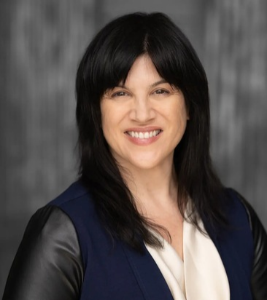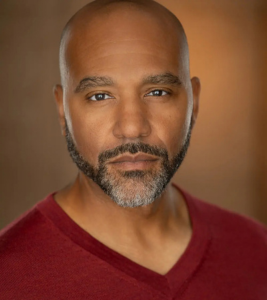
An actor can walk into a room and command it, then open their headshot folder and wonder who that person on screen is. The face is the same. Something else has gone missing.
This can happen when lighting, expression, framing, or other elements do not represent the actor clearly. Actor headshot lighting is one factor that affects how clearly the camera records the face.
Two photos can share the same expression, wardrobe, and framing, yet one reads as flat, and the other reads as present. The difference sits largely in how the light was shaped before the shutter ever clicked.
Understanding why that happens can help an actor prepare for a session, because a flat or unclear headshot may make it harder to communicate their appearance clearly.
What Makes an Actor Headshot Useful for Casting?
A useful actor headshot should show the actor clearly and honestly while giving casting professionals a recognizable sense of their appearance and personality.
That means recognizable likeness, a believable sense of type, visible personality, and enough facial clarity to give someone reviewing submissions a clear sense of the actor. The goal is not to make the actor look more impressive than they are. It is to let the camera record them clearly and convincingly, which is an important consideration for any actor headshot.
None of that is the same as looking conventionally attractive. A polished headshot can still fail at its real purpose, which is communication, not decoration.
Lighting is one of the tools that can influence how clearly that communication comes through before editing is considered.
How Actor Headshot Lighting Changes What the Camera Records
A face is not flat. Cheekbones, jaw, brow, and the planes around the eyes and nose catch and lose light differently depending on where that light comes from.
Changing the position of a light source can affect how facial structure, shadows, and features appear on camera. The features have not changed. Only the information the camera can see has changed.
Changing the height or angle of a light can alter the shadows around the eyes, cheekbones, and jawline. Small lighting adjustments can change how facial structure appears on camera.
The same actor can produce noticeably different results across two sessions. Shadows placed under the eyes can create a more tired appearance, while shadows along the jaw can add definition.
Good actor headshot lighting shapes the face without disguising the actor’s features. It reveals structure that is already there rather than inventing a version of someone who does not quite exist. A photographer who understands this treats light as information management, deciding what should remain clear in the image and what can stay visually subtle.
The Real Advantage of Studio Lighting Is Control
Studio lighting is not better because it is artificial. It is useful because a photographer can decide how strong it is, where it falls, and how it interacts with the actor, turning direction, intensity, softness, contrast, exposure, and background separation into deliberate choices instead of leftover guesswork.
Consistency Across Multiple Looks
That control can be useful when an actor needs more than one professional image. Depending on their casting needs, an actor may want different expressions, wardrobe options, or looks while keeping the overall set visually consistent.
Studio lighting for actor headshots makes that repeatability realistic. The same careful setup can be adjusted for each look while helping maintain consistency in skin tone, contrast, and overall feel.
None of these factors makes the image artificial. It simply makes the process more reliable across multiple projects.
The Eyes Need More Than Brightness
Eyes carry a large share of an actor’s expression, and brightness alone does not make them read as engaged. What helps is the catchlight, the small point of reflected light that gives an eye visible depth and direction.
Without a visible catchlight, the eyes can appear less bright or dimensional. Poorly placed light can also cast shadow across the upper eye and reduce facial clarity.
Controlled light helps keep the eyes visible, dimensional, and engaged-looking by managing reflected light and unwanted shadow together. It is not a formula for connection, only a way of clearing what gets in its way.
Good Lighting Shapes Without Disguising
There is a meaningful difference between flattering an actor and altering them. A strong headshot should still look like the person who walks into the room for the audition, not an idealized stand-in.
Heavy smoothing, harsh contrast, overexposed skin, and overly dramatic shadows can create an image that looks polished but is less representative of the actor’s current appearance.
Careful lighting reduces how much rescue work retouching has to do later. Many problems, from patchy skin tone to distracting shadows, are easier to solve at the point of capture.
Retouching should refine a strong photograph, not rescue a poorly lit one.
Different Casting Looks Need Different Lighting Decisions
There is no single best lighting for actor headshots that works for every actor or every goal. The right setup depends on the actor’s face, their casting direction, and the story a particular image needs to tell.
Lighting should support the direction an actor is aiming for without pushing everyone toward the same look.
A commercial image and a theatrical image can ask for different amounts of softness, contrast, and facial definition.
Commercial Headshots
Commercial images tend to favor open, even illumination across the face, softer contrast, and clean, natural-looking skin. The aim is approachability, warmth, and eyes that feel easy to meet.
Theatrical Headshots
Theatrical images can support a little more contrast and stronger facial dimension, often paired with a quieter, more grounded expression. This is not about making the image darker for its own sake, only more intentional.
In both cases, the lighting exists to support the actor’s intended casting range while keeping their appearance recognizable.
Why a Controlled Studio Setup Pays Off
A studio session gives the photographer greater control over lighting throughout the day. That kind of reliability matters when someone is paying for their time and expects consistent results.
It also lets a photographer build the lighting setup around one specific face instead of working around conditions outside their control. Small adjustments, like moving a light a few inches, softening a modifier, or angling a reflector, can be made and evaluated during the session.
That kind of fine-tuning also carries over into future sessions. If an actor returns later for updated images, a controlled studio setup can make it easier to maintain a consistent lighting approach.
Studio lighting for actor headshots earns its place here, not because it looks more polished, but because it can be reproduced more consistently.
Why Lighting Alone Isn’t Enough for an Actor Headshot
Strong actor headshot lighting cannot make up for a lack of direction during the session. Posture, expression, comfort, and communication also contribute to the final result.
Aaron Gang brings experience working with actors into sessions, providing practical direction rather than simply expecting clients to know how to pose or express themselves. That approach helps actors find expressions that feel authentic instead of performed for a lens.
Wardrobe, pacing, and clear communication between photographer and actor work alongside lighting to create a useful professional headshot.
What Should You Look For in a Professional Actor Headshot?
Understanding actor headshot requirements helps actors evaluate a session before booking, rather than discovering problems once the images arrive. Focusing only on visual style can overlook practical considerations such as accurate likeness, expression, framing, and lighting.
Worth checking before booking:
- A current, accurate likeness rather than a flattering but outdated one
- Clear facial visibility and correct exposure
- An expression that feels natural rather than held
- Simple framing, with a background that does not compete with the actor
- Enough facial dimension from the lighting to read as three-dimensional, not flat
- Retouching restrained enough that the actor remains recognizable, with skin that still looks natural
- Consistency across different looks, so a full set reads as one submission rather than several unrelated photographs
Together, these are useful actor headshot considerations when evaluating whether a session meets your professional needs.
A Studio Session Built Around the Actor
Aaron Gang Photography works from a Chicago studio, pairing studio lighting for actor headshots with practical posing and expression guidance. The controlled studio environment allows lighting and other session details to be adjusted around the actor’s needs.
For actors comparing actor headshots in Chicago, that consistency can help create a more cohesive set of professional images.
For anyone researching headshot studios in Chicago, controlled lighting is one factor worth considering when comparing photographers.
Frequently Asked Questions
What is the best lighting for actor headshots?
There is no single universal answer, because the best lighting for actor headshots depends on the actor’s face, casting type, and the look a session is trying to produce. A skilled photographer adjusts direction, contrast, and softness to suit the individual, not one fixed formula.
How many looks should I bring to a session?
The number of looks depends on your casting needs and the structure of the session. If multiple looks are included, your photographer can help you decide which options are most useful. A controlled setup can make it easier to adjust between looks without starting from scratch each time.
How much retouching should an actor’s headshot have?
Retouching should maintain the actor’s current, natural appearance rather than make them look noticeably different. Light blemish removal and simple color balancing may be appropriate, but retouching that significantly changes facial structure, skin texture, or age risks producing a headshot that misrepresents the actor.
What should I look for in studio lighting for actor headshots?
Look for well-placed catchlights, natural skin tones, and shadows that add shape without obscuring facial features. The contrast should support the actor without becoming distracting, and the background should keep attention on the face.
What can I check when reviewing a photographer’s sample images?
When reviewing sample images, check whether the face looks naturally dimensional, the shadows look controlled, the eyes stay visible, and skin tone holds steady from frame to frame. The lighting should not overpower the actor.