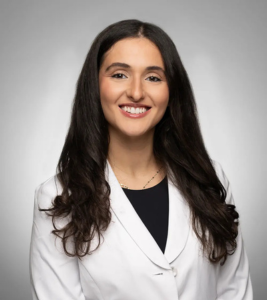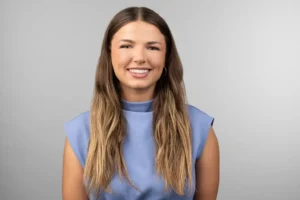
Acting headshots are fairly straightforward: your headshot should look like you as you appear today, show your face clearly, feel natural, and give casting professionals a useful sense of who you are. A professional studio session provides controlled lighting, simple wardrobe choices, and guidance toward expressions that feel believable.
For actors, a headshot is not simply a nice photograph. It is part of your professional materials, so understanding the key acting headshot requirements can help you prepare for a session and create images that accurately represent you and support the kinds of roles you are pursuing.
What Are Acting Headshots?
An acting headshot is a professional image actors use when submitting for auditions, connecting with agents, or presenting themselves to casting professionals. It puts the focus on your face, expression, and overall presence.
An acting headshot has a specific job. It should help someone who does not know you get a quick, realistic sense of what you look like. That is why lighting, framing, wardrobe, expression, and direction all matter.
Acting Headshot Requirements to Keep in Mind
When planning a session, it helps to think beyond whether you like the photograph. Ask whether it represents you clearly and whether it makes sense for your current acting goals.
Keep Your Appearance Current
One of the most important acting headshot requirements is that the image should resemble you now. If you have changed your hairstyle, facial hair, glasses, or another noticeable feature, an older headshot may no longer represent you accurately.
A casting professional should have a reasonable idea of what you look like before meeting you. Your headshot does not need to show a version of you from several years ago simply because you liked that image.
Make Your Face the Focus
Your face should remain the main point of attention. Professional studio lighting can make a meaningful difference because the photographer can control the direction, intensity, and placement of the lights.
Framing matters as well. Your photographer can guide camera position, head angle, and composition so the final image gives appropriate attention to your face without making you look stiff or uncomfortable.
Choose Clothing That Supports You
Wardrobe is another important part of actor headshot guidelines. Your clothing should support the image rather than becoming the main subject.
Simple tops in solid or subtle colors are often useful because they keep distractions low. Bring a few options that fit well and feel like something you would actually wear. Different colors and necklines can create small changes while keeping your appearance consistent.
Let Your Expression Feel Natural
Expression is one area where coaching can be especially useful. Standing in front of a camera can feel unfamiliar, even for actors who perform regularly. Clear direction can help you adjust your eyes, mouth, posture, and energy without making the process feel forced.
You do not need to hold one expression throughout a session. Small changes can create noticeably different images. A quieter, more serious expression may communicate something different from a warmer expression.
Actor Headshot Guidelines for Studio Sessions
Preparation can make the session smoother and give your photographer more choices to work with. Start by thinking about how you want to be represented. Consider the roles you are currently pursuing, how you normally present yourself, and whether your existing headshot still feels accurate.
Bring several wardrobe options rather than relying on one shirt. Your photographer can see how different colors, necklines, and layers work with the studio lighting and help you choose what photographs well.
Acting Headshot Photography Tips That Can Help
A few practical choices can make your studio session more productive. Give yourself enough time to arrive without feeling rushed. When you are settled, it can be easier to listen to direction and allow your expressions to develop naturally.
Communicate your goals with the photographer. If you are pursuing particular types of roles or preparing materials for an agent, share that information. It can help shape decisions about wardrobe, expressions, and the overall direction of the session.
How Much Retouching Should an Acting Headshot Have?
Retouching should support the photograph without changing the person in it. Minor corrections can help remove temporary distractions, but heavy editing can make an acting headshot less believable.
Think about recognition. If someone meets you after seeing your headshot, the image should still make sense. Your facial features and overall appearance should remain consistent with how you actually look.
Should You Have More Than One Headshot?
Depending on your acting goals, having more than one useful look can make sense. Actors may pursue different types of roles, and one expression or wardrobe choice may not communicate the full range of what they can be considered for.
You do not need a collection of dramatically different images. A few carefully planned looks can provide useful variety while keeping you recognizable.
Your photographer can help decide which wardrobe changes, expressions, and studio setups are worth exploring. The goal is not to create a completely different version of you for every image. It is to show different sides of your natural presence in a way that supports your professional materials.
When Should You Update Your Acting Headshots?
There is no single schedule that applies to every actor. The right time depends on how much your appearance and career direction have changed.
Consider a new session if your current headshot no longer looks like you, your hairstyle or facial hair has changed significantly, you have moved into a different casting range, or your existing images no longer fit the roles you are pursuing.
Look at your headshot with fresh eyes from time to time. Ask whether someone who has never met you could form a useful first impression from the image. If the answer feels uncertain, an update may be worthwhile.
Choosing a Photographer for Actor Headshots
Choosing a photographer is about more than finding someone with professional camera equipment. Look for someone who understands acting headshots and knows how to work with people in front of a camera.
Posing guidance and expression coaching can make a difference, especially if you become tense when a camera is pointed at you. Clear direction can help you relax, make small adjustments, and find expressions that feel natural.
For actors looking for actor headshots Chicago services, an experienced Chicago studio can provide a focused environment where studio lighting, direction, wardrobe, and expression are handled with the needs of actors in mind.
Why Preparation Matters
A useful session begins before the camera comes out. Think about how you want to be represented, bring clothing choices that support that goal, and communicate what you are working toward.
You do not need to arrive knowing exactly how to pose or what expression to make. With studio lighting, posing guidance, and expression coaching, you can make adjustments as the session develops.
Preparation is about giving yourself choices. Understanding your current appearance and acting goals makes it easier to create headshots that feel honest and relevant.
Before the session, take a few minutes to review your current materials. Notice what feels accurate, what feels dated, and what you want the new images to communicate. This simple check can help you explain your goals clearly and make better choices during the studio session itself with your photographer too.
Conclusion
Understanding acting headshot requirements can make your next session easier to plan. Keep your appearance current, make your face the focus, choose clothing that supports you, and work on expressions that feel natural. Professional studio lighting, posing guidance, and expression coaching can help turn those choices into clear, useful images.
Most importantly, your headshot should give casting professionals an honest sense of who you are today. It should feel like you, not a heavily edited version created to fit an idea of what an actor is supposed to look like. When your image is recognizable, professional, and connected to your acting goals, it can become a useful part of your professional materials.
Frequently Asked Questions
What should an acting headshot look like?
An acting headshot should clearly show your face, look current, and feel natural. Professional studio lighting should keep the image clear without distracting effects. Your expression, wardrobe, and overall presentation should support the kinds of roles you are pursuing while still looking like you.
The image should also feel believable when compared with your real appearance. A casting professional should not be surprised by a major difference between your headshot and how you look in person.
What should I wear for an acting headshot session?
Bring several clean, well-fitting tops in simple or subtle colors. Avoid clothing with distracting patterns, large graphics, or details that pull attention away from your face. Different necklines and colors can give your photographer more options under studio lighting.
Choose clothing that feels comfortable and consistent with how you normally present yourself. You can discuss your options with the photographer before deciding which pieces to use.
How often should actors get new headshots?
It depends on how much your appearance or career direction changes. If your current image no longer resembles you, or your casting goals have shifted, an updated session may make sense.
Changes to your hair, facial hair, glasses, or overall appearance can also be a reason to update your materials. Instead of following a strict calendar, focus on whether the headshot still represents you accurately.
Should acting headshots be heavily retouched?
Heavy retouching is usually not helpful for acting materials because the finished image should remain recognizable. Minor corrections can clean up temporary distractions, while excessive editing can change how you actually look.
Talk with your photographer about the level of retouching you prefer. The aim should be a polished image that still looks like you.
Do I need different looks for my acting headshots?
Different looks can be useful when they reflect the roles you are pursuing. You may explore changes in wardrobe, expression, or styling without making yourself look like a different person.
A photographer can help you decide which variations add useful range to your materials. The key is to keep each image believable and connected to your current appearance and professional goals.