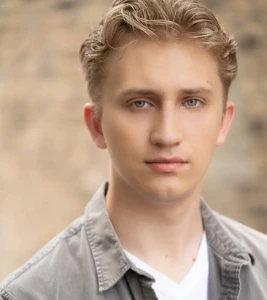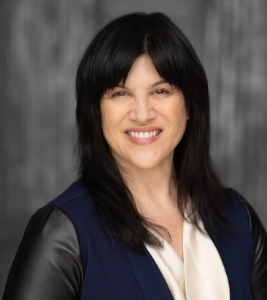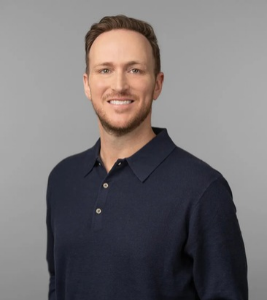
Prepare by deciding what the photographs need to do, choosing wardrobe and grooming that match how you look now, and practicing expressions loosely. Arrive with direction, not a script, and let the photographer guide the rest.
If you are searching for facial expression tips for actors, you probably worry about freezing the moment the camera appears. That concern is reasonable, and it is easier to manage than it feels. A rehearsed face can look stiff, while an unprepared one can drift into nervous blankness. The aim is to know yourself well enough to relax, then leave room for something real.
Start With What You Need From the Session
Before you pick a shirt or stand at a mirror, ask what these photographs are for, including the online casting profiles and submissions where you plan to use them. Look at your current images honestly. Do they still look like the person who walks into a room today?
Check for changes in hair, beard, hair color, or general appearance. Then consider any feedback from an agent, manager, or acting coach, such as photos feeling guarded, dated, or generic. Treat that feedback as information, not a verdict on your face.
A well-considered headshot can help communicate an intended casting direction, though that does not mean locking yourself into one type. Write two or three sentences about what the images should communicate and bring them along.
Some actor headshot preparation tips are best done early. Gather your most recent photos, then add a few pictures that friends say look most like you in person. Comparing the two sets can help you identify what you may want to address in the new session.
How to Practice Facial Expressions Without Looking Rehearsed
Facial expression tips for actors can be useful when they start with awareness. The aim is to become familiar with your face, not to memorize a catalog of camera faces.
Practice Awareness, Not a Fixed Camera Face
Prop your phone at eye level near a window and start with the expression you wear when listening to a friend. Take a few photos, then compare what you felt with what appears. You may notice a furrowed brow, tight mouth, or another expression habit you were not aware of.
Notice small habits, such as pressed lips when you concentrate or a lifted chin when you try to look confident. You are collecting information, not compiling a list of flaws.
Shift the Intention, Not the Face
Once you know your baseline, change what you are thinking instead of what your face is doing. A few starting points:
- Warmth: picture someone you are glad to see.
- Curiosity: imagine hearing something unexpected.
- Concentration: read something difficult.
- Quiet confidence: imagine you already know how a conversation will end.
Treat these as options to explore. An exercise that works for one actor can feel artificial to another, and if it does, drop it.
Know When to Stop
Keep the practice brief. Spending too long reviewing expressions can lead to overthinking, criticizing individual frames, or repeating one look until it begins to feel rehearsed.
Think of three ways to arrive: with no idea what the session is for, with one over-rehearsed look, or with a few possibilities and a willingness to respond to direction. The third leaves room for whatever the photographer notices.
| Helpful preparation | Over-preparation |
| Knowing your baseline expression | Memorizing one “best” face |
| Trying a few intentions | Planning every frame in advance |
| Telling the photographer your concerns | Hiding discomfort and hoping it passes |
| Arriving rested | Practicing for hours the night before |
Choose Wardrobe and Grooming That Reflect Your Current Look
The wardrobe should support your face. If someone mentions your sweater before your eyes, it is doing too much.
Fit, Comfort and Distraction
Choose clothes that fit well and feel comfortable, because discomfort travels into posture and expression. Check necklines, since very high or very low collars change how your head and shoulders read. Busy patterns, tight stripes, and prominent logos compete for attention, while solid or lightly textured pieces often keep it near the face.
Coloring varies from person to person, so try options in front of a mirror in daylight instead of trusting a rule. Sit down in each outfit too, because a shirt that looks clean on a hanger can bunch or ride up once you are seated. Bring a small, considered selection rather than half your closet, and ask how many outfits your session accommodates. If you wear glasses regularly, mention it early so the photographer can plan around reflections.
Keep Grooming Familiar
Wear your hair the way you would to a meeting or audition. A dramatic cut, new color, or major grooming change immediately before the session may leave you less familiar with how you look on camera.
Makeup, if you use it, should suit the presentation you intend: polished rather than transformative. For grooming, the simplest of the actor headshot preparation tips is to ask whether the finished image will look like you on a good day.
Prepare for the Studio, Not Just the Camera
A controlled studio means you do not have to manage weather, light, or location. The work shifts toward logistics and communication. Allow extra travel time so you are not arriving flustered, and keep the arrival details somewhere easy to find.
Use the Consultation
If a consultation comes first, treat it as working time. Say how you plan to use the images and which angles or expressions feel uncomfortable. If you have a previous headshot that never felt like you, bring it and say what felt off, whether the smile, the angle, or the styling. If you tend to freeze or overthink, mention that too.
A photographer can respond to specifics far more easily than to silence. Planning wardrobe in advance also means fewer surprises on the day.
Let the Photographer Direct
Where your chin, shoulders, and head sit is part of the direction a photographer provides, and that guidance can be especially useful when you feel stiff or self-conscious. Your job is to show up rested, familiar with your own range and willing to speak up.
Before booking anywhere, ask about session structure, wardrobe changes, and what preparation is expected. Chicago actors comparing studios can learn more about Aaron Gang Photography’s consultation and studio approach on the actor headshots in Chicago page.
How to Get Natural Expressions for Actor Headshots
Think About the Whole Face
Facial expression tips for actors may focus on the eyes or the mouth, but eyes, mouth, brow, jaw, and head position all shape the impression, so no single feature decides whether an expression looks genuine. A smile with relaxed cheeks reads differently from the same smile over a tight jaw. If your photographer reviews images with you during the session, looking at frames together can help you identify the combinations that feel most like you.
Serious Is Not the Same as Expressive
Simply dropping the smile may not be enough to create natural expressions for actor headshots. A blank face can read as tense, distant, or weary, and a clenched jaw can make a calm thought look severe.
Instead of forcing an emotion, give your mind something specific, as you would when working on facial expressions for acting auditions: a question you are about to answer, a conversation you are remembering, or a person across the room who is about to say something engaging. If imagined thoughts make you self-conscious, tell the photographer, who can direct you through conversation instead.
Release Tension Without Forcing an Emotion
Facial tension can also appear alongside raised shoulders, held breath, or rigid posture.
Try a short reset. Drop your shoulders, let your teeth part slightly, breathe out slowly, and let your face settle before trying again; repeat these steps between setups if you notice the tension returning. It will not necessarily eliminate nerves, but it can give you a more relaxed starting point.
Build a Small Range of Distinct Expressions
You do not need a catalog of exaggerated looks. A relaxed expression, a warmer one, and a more thoughtful one can offer distinct options, as long as each has a purpose.
Natural expressions for actor headshots can look like ordinary moments with a little more attention behind them.
Headshot Expressions and Acting Auditions Are Not the Same
Facial expressions for acting auditions unfold over time. An audition can involve dialogue, movement, listening, and reactions, so your face changes with every beat. A headshot captures a single instant with no lines to explain it.
That difference changes what works. A flash of surprise that reads well on video can look startled in a still frame, while a pause that feels dull in conversation can look thoughtful.
Acting skills can still help. The habits behind facial expressions for acting auditions, such as listening closely and holding a specific thought, can give your face something to do. You do not need to perform a whole scene for the camera, and unlike an audition, a studio session lets you pause, reset, and try again.
Frequently Asked Questions
What are the best facial expression tips for actors before a headshot session?
Keep it brief and low pressure. Photograph a few relaxed and warm expressions on your phone, review them once, then stop.
Repeating one look until it feels automatic can make it harder to respond when a photographer suggests something different.
What should actors bring to a studio headshot session?
Bring your wardrobe options, any grooming items for touch-ups, glasses if you wear them, your current headshots, and notes from an agent or coach. A short list of questions helps too, since nerves can make details slip.
How many outfits should an actor prepare?
That depends on the session plan, so ask before you pack. A small selection you like, with every piece fitting well and suiting how you will use the images, is more useful than a bag of maybes.
Do actors need to know how to pose beforehand?
No. A photographer can provide posing direction during a studio session and adjust your chin, shoulders, and angle as you go. It helps to say which angles feel awkward, but you do not need a rehearsed set of poses.
What should actors do the day before a headshot session?
Confirm your appointment time and route, lay out your clothes, and check them for wrinkles or loose threads. Avoid making major changes to your hair or appearance immediately before the session unless they are intentional. Rest as well as you can and keep the evening simple.
What to Remember Before Your Session
Preparation can reduce avoidable uncertainty, but it cannot guarantee a perfect frame or predict how anyone will respond to the finished image. Before you book, write down your goals, your outfit questions, and any worries about expressions, and keep these actor headshot preparation tips handy for the consultation.
When you are ready to see how a consultation, wardrobe planning, and studio session fit together, explore the actor headshot service from Aaron Gang Photography or reach out through its contact page.