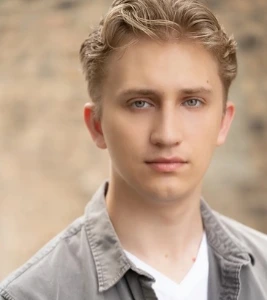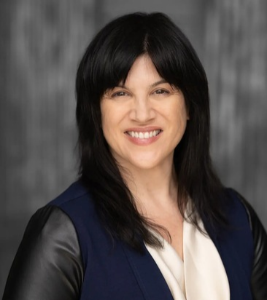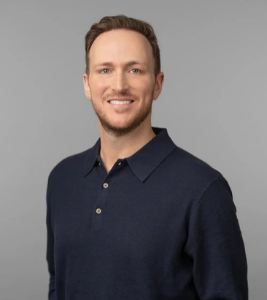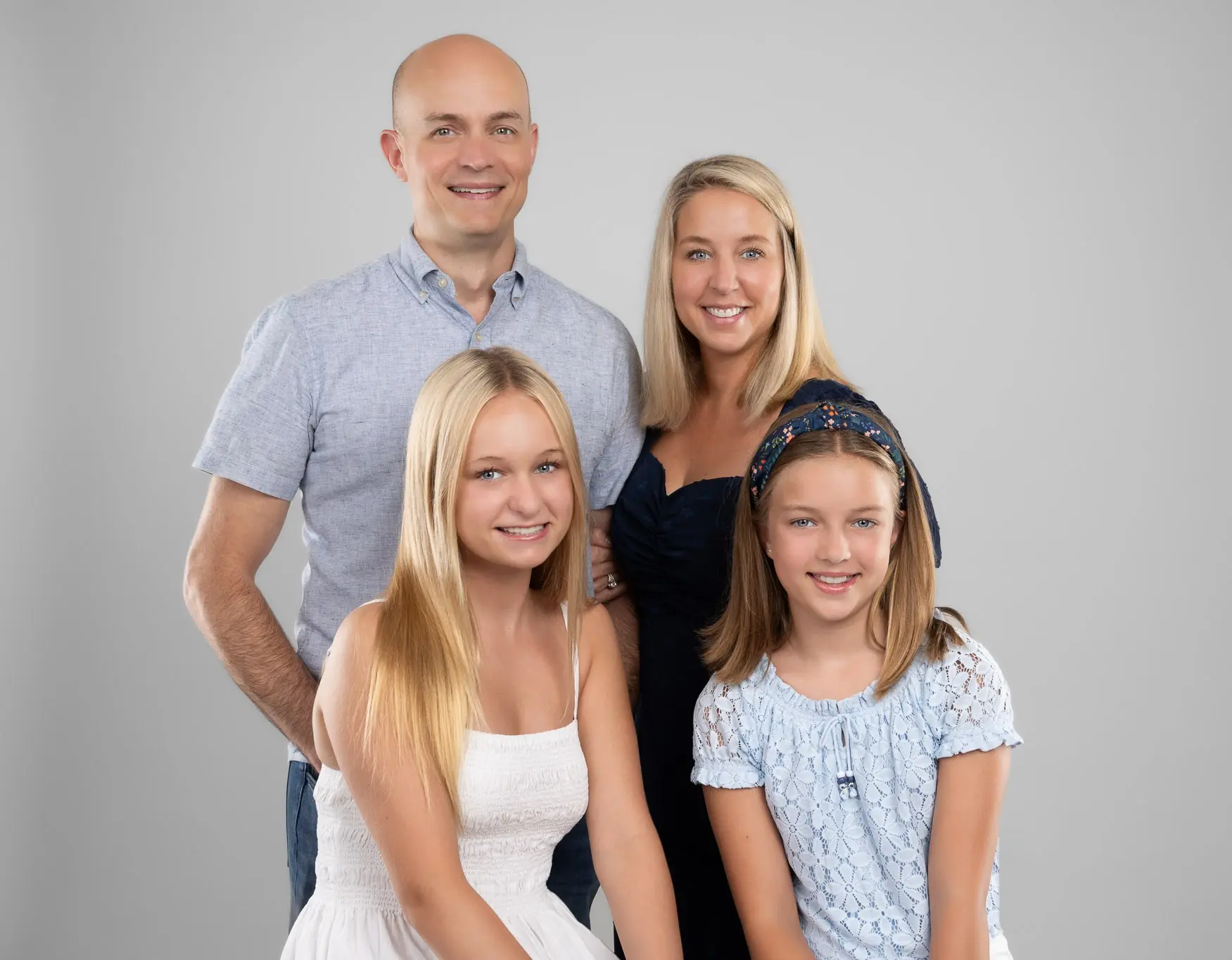
When preparing for actor headshots, avoid clothing that distracts from your face, including busy patterns, very bright colors, clothing that does not fit well, and outfits that feel more like a costume than you. The best clothing tips for acting headshots are less about following strict fashion rules and more about choosing clothes that fit well, photograph cleanly, and help show your personality and casting type. Your wardrobe should support the headshot, not become the thing people notice first.
Why does your clothing matter in an actor headshot?
An actor headshot needs to give people a clear idea of who you are. Your expression, face, and overall look should do most of the talking. Clothing plays a supporting role. That does not mean you need to show up in a plain black shirt and call it a day. In fact, bringing a few different clothing choices can give you more options during your studio session.
The goal is to find clothes that feel like you while still looking clean and simple on camera. During a studio session, controlled studio lighting and a simple background help keep attention on you. Your clothing should work with that setup rather than compete with it.
Think about the kinds of roles you might realistically be considered for. A casual shirt, a simple sweater, or a more structured top can communicate something different without turning your headshot into a costume.
Clothing tips for acting headshots: What should you avoid?
Knowing what not to wear can make packing for your session much easier. You do not need to overthink every shirt in your closet. Start by removing the pieces that are likely to create distractions.
1. Skip busy patterns
Small, complicated patterns can become distracting in a headshot. Tight stripes, tiny checks, grids, and similar designs can also create unwanted visual effects when photographed. A simple solid color is often easier to work with. It gives the viewer somewhere to focus without adding another visual element around your face.
This does not mean patterns are completely off-limits. If a patterned piece is an important part of your look, you can bring it as an option. It is simply worth having some cleaner choices with you too.
2. Be careful with very bright colors
A bright shirt can grab attention quickly, especially when it sits directly underneath your face. Very strong colors can work for some people, but they should be considered carefully. If the color is the first thing you notice when you look at the image, it may be doing too much.
Jewel tones can be a useful starting point. Deep blue, green, burgundy, and similar shades can add color without becoming the entire focus of the image. When deciding on color, consider your eyes, skin tone, hair, and the overall look you want to communicate.
3. Do not rely only on black or white
Black and white are common choices because they are easy to find and easy to match. But bringing only black or white clothing can limit your options.
An all-black top may create a very different look from a colored shirt or sweater. White can also appear very bright under studio lighting depending on the clothing and lighting setup. You do not have to eliminate black and white from your wardrobe. Just give yourself some variety. If you are unsure about color, bring several options and discuss them during your session.
4. Leave uncomfortable clothes at home
This one sounds obvious, but it is easy to overlook when you are trying to look professional. If a shirt is too tight, too loose, constantly needs adjusting, or makes you feel uncomfortable, that can affect your expression. You may find yourself thinking about your clothing instead of relaxing in front of the camera.
Choose pieces that fit comfortably and allow you to move naturally. During a studio session, you may also receive posing guidance and expression coaching. Comfortable clothing makes it easier to focus on those directions and settle into the process.
What is the best color to wear for a headshot photo?
There is no single color that works for every actor. The right choice depends on your coloring, your personal style, and the type of look you want your headshot to communicate.
As a general starting point, solid jewel tones are useful options. Deep blue, green, burgundy, and similar colors can add interest while keeping the attention on your face. You can also choose colors that bring out your eyes. A color that makes your eyes stand out can add something to the image without requiring a complicated outfit.
One important consideration is contrast. You do not want your clothing to disappear into your skin tone or create an unnecessarily strong visual break around your face. If you are searching for the best color to wear for a headshot photo, start with colors you already know you feel good wearing. Then bring a few different options, so you have choices during the studio session.
Which colors should you avoid for professional headshots?
There is no universal list of colors that every actor needs to avoid. However, some choices can be harder to work with than others. Very bright colors may pull attention away from your face. Extremely pale clothing can sometimes create a low-contrast look. Very strong reds can also become visually dominant.
The same color can look different from person to person, so do not throw something out simply because you have heard that it is a “bad” headshot color. Instead, ask yourself a simple question: Does this color help people see me, or does it make them notice the shirt first?
That is a much more useful way to choose your wardrobe.
Avoid clothes that do not fit well
Fit matters more than whether a piece is expensive or fashionable. Clothing that is too loose can look untidy. Clothing that is too tight can make you uncomfortable and restrict your movement. A shirt that sits awkwardly around your shoulders or neckline can also become distracting.
Before your session, try on the clothes you are considering and check how they look while sitting and standing. Make sure they are clean, wrinkle-free, and in good condition. If something has stretched, faded, or developed visible wear, choose another option. You do not need brand-new clothes. You need clothes that are clean, well maintained, and photograph well.
Bring more than one look
You do not have to decide on one outfit before you walk into the studio.
Bringing several tops gives you room to make decisions once you see how the colors, necklines, and fabrics work under studio lighting. Different choices can also help show some range while keeping the overall look consistent.
Consider bringing variations such as:
- Different solid colors
- Different necklines or collars
- Casual and slightly more dressed-up options
- Different sleeve lengths
- Different fabrics or textures
- A few pieces you genuinely enjoy wearing
You probably will not use everything you bring. That is fine. The point is to have choices.
If you are unsure whether something is worth bringing, consider bringing it as an additional option. It is much easier to choose between options in the studio than to wish you had brought something you left in your closet.
Do not let clothing hide your personality
One of the most useful actor headshot clothing tips is also one of the simplest: wear something that feels like you. If you never wear a particular style in real life, you may feel uncomfortable trying to make it work in front of the camera.
That discomfort can show in your expression.
Your photographer can provide posing guidance and help you work through different expressions, but clothing that feels familiar can make it easier to relax and stay connected to yourself. Your favorite shirt may not seem particularly special when it is hanging in your closet. That does not mean it will not be one of your strongest options for a headshot.
Conclusion
The biggest wardrobe mistake to avoid for acting headshots is letting your clothing become more important than you. Skip distracting patterns, extremely bright colors, uncomfortable fits, and clothing that feels more like a costume than your real style. Bring several clean, well-fitting options instead, including colors and styles that show some range while keeping attention on your face. With thoughtful wardrobe choices, studio lighting, posing guidance, and expression coaching can do their part while your headshot still looks and feels like you.
Ready for headshots that represent you at your best? Aaron Gang Photography can help you create professional actor headshots designed for your casting needs. Schedule your session today.
Frequently Asked Questions
1. What should an actor wear for a headshot?
Actors should choose clean, well-fitting clothing that feels natural and reflects their personality. Solid colors, jewel tones, different necklines, and a mix of casual and slightly more dressed-up options can give you useful variety. Avoid clothing that is uncomfortable, heavily patterned, overly bright, or distracting.
2. Can I wear black for an actor headshot?
Yes, black can be an option. It does not have to be removed from your wardrobe completely. However, it is helpful to bring other colors as well so you have more than one visual option during the studio session. The way black works in the final image can depend on your overall coloring, clothing, and studio lighting.
3. Should actors wear patterns in headshots?
You can bring a patterned piece, but simpler patterns are generally easier to photograph. Very small checks, tight grids, stripes, and complicated designs can become distracting or create unwanted visual effects. Solid colors are useful to have as alternatives.
4. How many outfits should I bring to an actor headshot session?
Bring several clothing options rather than relying on one outfit. Different colors, necklines, fabrics, sleeve lengths, and levels of formality can give you useful variety. You do not need a completely different outfit for every option. A selection of tops can provide plenty of choices.
5. What if I am not sure what to wear for my actor headshots?
Bring the options you are considering. It is better to have a few choices available than to leave something at home because you are unsure about it. During a studio session, you can work through the options and see what works with the lighting, posing, and overall look. Choose clothes that fit comfortably and feel like something you would actually wear.