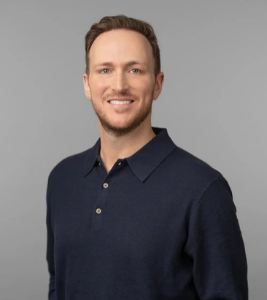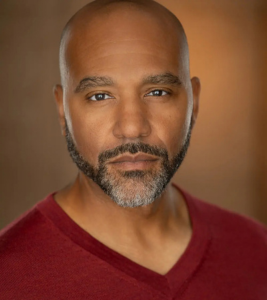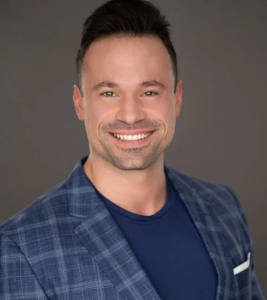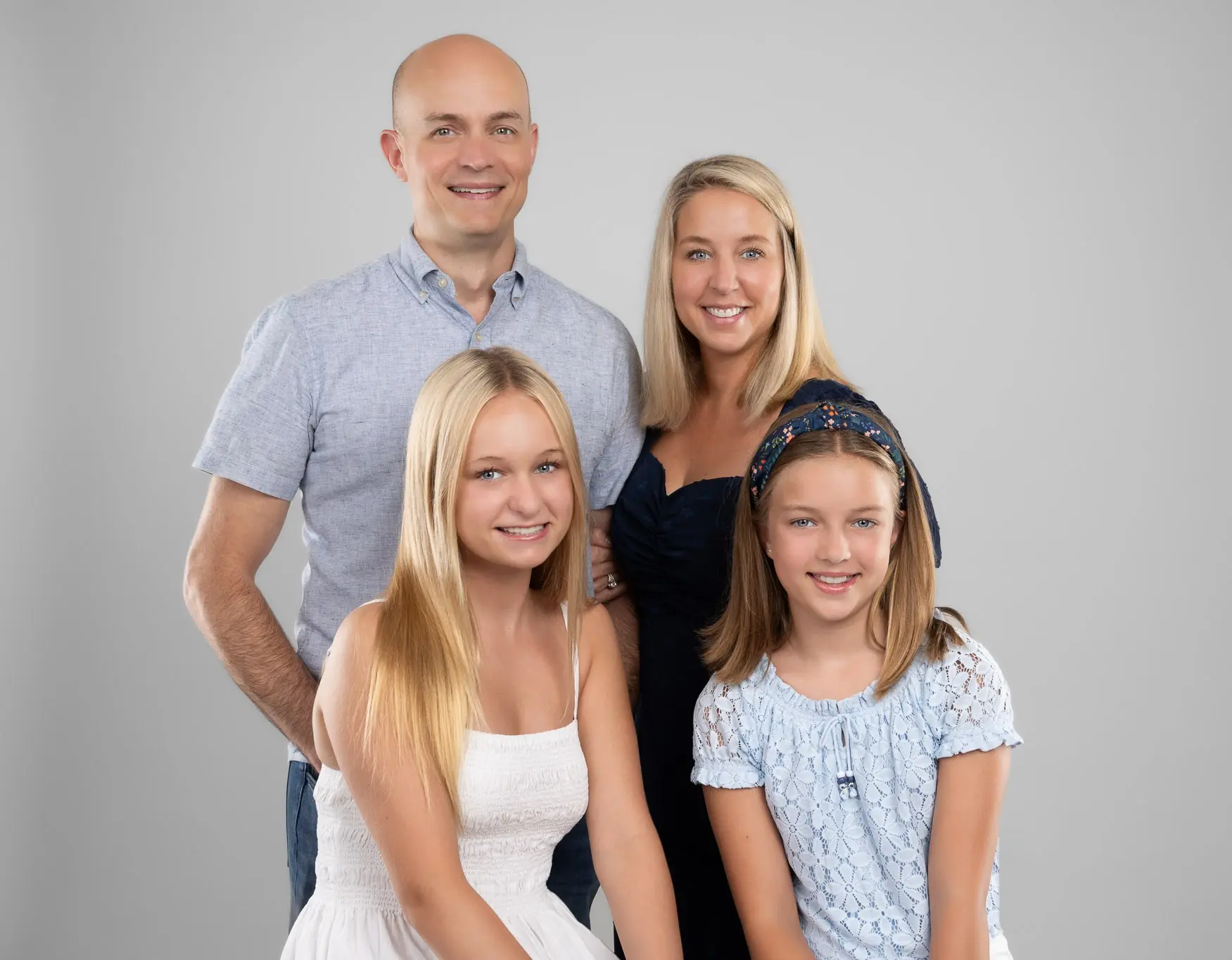
A headshot can show more than a person’s face. It can also give viewers a sense of how someone presents themselves through expression, posture, clothing, and overall presence. A professional photographer uses studio lighting, camera position, posing guidance, and expression coaching to help create an image that feels natural and fits its purpose. This is especially useful for Chicago actor headshots, professional headshots for work, or other business images. The headshot photographer’s role is not simply to operate the camera. It also involves helping you feel prepared, giving clear direction, and making small adjustments that can affect how your personality comes through in the final photograph.
Why Does Personality Matter in a Headshot?
A headshot is often one of the first photographs someone sees when reviewing an actor, employee, business professional, or other working professional. The image cannot show a person’s full personality, but it can communicate certain qualities through facial expression, posture, clothing, and the way the person presents themselves in front of the camera.
This does not mean a photographer needs to create an exaggerated expression or make someone act like a different person. A useful approach is to create a comfortable studio setting where the person can respond naturally to direction.
Personality can appear in small details. The way someone looks toward the camera, holds their shoulders, or changes their expression can affect the overall feeling of the image. A photographer watches these details throughout the session and can make adjustments when needed.
The photographer also needs to understand why the client needs the photograph. A business professional may want an approachable and confident appearance, while an actor may need images that show a range of expressions and fit the types of roles they are considering. The purpose of the session helps guide the photographic decisions.
How Does a Photographer Learn What You Want?
Before the camera comes out, a photographer can learn more about the client’s goals. A short conversation can help establish what the photographs will be used for, what type of appearance the client wants, and whether there are specific requirements to consider.
This conversation does not need to be complicated. You may explain that you need an updated image for your company website, LinkedIn profile, professional materials, or acting submissions. You can also discuss the types of roles you are interested in if you are an actor.
This information gives the photographer useful context. Instead of treating every session the same way, the photographer can adjust the approach based on the person’s needs.
For example, an actor who wants to be considered for several types of roles may need a session with different expressions and clothing options. Someone who needs a professional business image may want a more consistent look that works across professional profiles and company materials.
The more clearly you explain your purpose, the easier it can be for the photographer to provide useful direction during the session.
How Does Studio Lighting Affect How Personality Comes Through?
Studio lighting is one of the main tools a photographer uses to shape a headshot. It controls how light falls across the face and can influence the overall appearance of the photograph.
A photographer can adjust the position, brightness, and direction of studio lights depending on the person’s face, clothing, background, and the intended style of the image. These adjustments can help create clear facial detail without distracting shadows.
Lighting also needs to work with the person’s expression. A small change in the position of the face can alter how the light falls across the eyes, cheeks, and jawline. The photographer watches these changes and can make adjustments throughout the session.
The purpose is not to change someone’s appearance. Instead, controlled studio lighting gives the photographer a consistent environment in which to work. This allows more attention to be placed on expression, posture, and communication through the camera.
Can Posing Make a Person Look More Natural?
Yes. Posing can have a strong effect on how comfortable a person appears in a photograph. However, posing does not have to involve complicated movements.
Some people may become stiff when they hear that they need to pose. They may pull their shoulders back too much, hold their hands awkwardly, or freeze their facial expression. Clear direction can help avoid this.
A photographer may ask you to move your shoulders slightly, adjust your chin, change your head position, or shift your posture. These are small changes, but they can make a noticeable difference in the final image.
The photographer may also take several photographs while making these adjustments. This gives the person an opportunity to settle into the position rather than trying to hold one pose for a long time.
Good posing guidance should support the person’s natural appearance. It should not require someone to copy a complicated pose that feels uncomfortable or unnatural.
How Does Expression Coaching Help?
Expression is one way personality can come through in a headshot. A person’s expression can make an image feel serious, friendly, focused, relaxed, or thoughtful.
Some people become more aware of their facial expression as soon as a camera is pointed at them. They may smile too much, tighten their jaw, or hold their face in a way that does not feel natural.
Expression coaching gives the photographer a way to work through this problem. Instead of simply saying “look natural,” the photographer can give specific instructions that are easier to follow.
The photographer might ask you to think about a particular situation, relax your face, change your focus, or make a small adjustment to your expression. These directions can help create different looks without requiring you to act in an exaggerated way.
For actors, expression coaching can be especially useful. Acting requires communication through facial expression, but an actor’s headshot still needs to look like the person rather than a forced character performance. The photographer can help create expressions that fit the actor’s goals while keeping the image clear and believable.
How Can Eye Contact Show Personality?
The eyes are an important part of communication in a headshot. Where a person looks and how they focus their eyes can affect the feeling of an image.
For many professional headshots, looking toward the camera can create a direct and clear presentation. However, the exact approach depends on the purpose of the photograph.
A photographer can help you understand where to focus and how to keep your expression connected to that direction. Small changes in eye position can affect the overall appearance of the image.
The goal is not to create an intense stare. It is to create a natural connection between the person and the camera. The photographer can take several images while providing direction so that the expression and eye contact develop naturally.
Does Clothing Affect How Personality Comes Through?
Clothing is another part of the image that can influence how a person is presented. The right clothing choice depends on the purpose of the session and the type of professional image you need.
For many headshots, simple clothing works well because it keeps attention on the face. Clothing should also fit comfortably. If you are constantly adjusting a shirt, jacket, collar, or neckline, that discomfort may appear in your posture or expression.
Colors can also affect the overall appearance of the photograph. A photographer may be able to help you decide which options work well with the studio background and lighting.
Actors may have different clothing needs from business professionals. An actor can discuss the types of roles they are interested in and bring a few suitable options. The photographer can then help determine which choices work well for the session.
Clothing should support the person’s professional purpose rather than become the main focus of the photograph.
How Does the Background Support Personality?
A studio background can influence how a headshot feels, but it should not take attention away from the person.
A simple background often works well for professional uses because it keeps the photograph focused on the face and expression. The photographer can select a background that works with the clothing, lighting, and purpose of the session.
Background and lighting also work together. The distance between the person and the background can affect shadows and separation. A photographer can adjust these elements during the session to create a clean and balanced image.
For an actor, the background may also need to support the intended casting use and the type of image being submitted. For a business professional, a simple setup may be useful for company websites, professional profiles, and other business materials.
How Does Camera Angle Affect the Final Image?
Camera position can change the way a person’s face and shoulders appear. Even a small adjustment in camera height or distance can affect the overall look of the photograph.
A professional photographer understands these technical details and can adjust the camera based on the person’s features and the purpose of the image.
You do not need to know which lens or camera setting is being used. The photographer handles those decisions while you focus on following direction.
The photographer may also create several slightly different compositions during the session. This provides options when reviewing the photographs later.
The goal is to create an image that represents the person clearly without relying on unusual angles or heavy effects.
Why Is Communication Important During a Session?
A successful studio session depends partly on communication between the photographer and the person being photographed. If something feels uncomfortable, it is useful to say so.
For example, you may not like the way a particular collar looks, feel uncomfortable with a certain pose, or prefer a different expression. Sharing that information gives the photographer a chance to make an adjustment.
The photographer can also explain what is happening instead of expecting the client to understand the technical side of photography. Simple instructions can make the session easier to follow.
Communication is especially important when a client is nervous. Rather than trying to ignore the nervousness, the photographer can slow the process down, give one direction at a time, and allow the client to become more comfortable in front of the camera.
Can a Photographer Help Someone Who Is Nervous?
Some people are not used to being photographed in a professional studio and may feel unsure about what to do.
A photographer can help by explaining the process, providing posing guidance, and giving specific instructions rather than leaving the client to figure everything out alone.
The photographer can also take several photographs while making small changes. This gives the client time to adjust and can help reduce the feeling that one photograph needs to be perfect.
The technical work is handled by the photographer. The client can focus on listening to the direction and responding naturally.
With a clear process, the session can become easier to follow as it continues.
How Can an Actor Show Different Sides of Their Personality?
Actors may need more than one expression or look during a studio session. Different casting needs may call for different presentations.
This does not mean creating exaggerated character faces. Instead, an actor can work with the photographer on subtle changes in expression, posture, and focus.
For example, one image may have a more serious expression, while another may have a warmer or more approachable look. Clothing changes can also provide useful variety when appropriate.
The photographer can guide the actor through these changes and watch how each expression works with the studio lighting and camera position.
When preparing for actor headshots in Chicago, it can help to discuss the types of roles you are seeking before the session. This gives the photographer more information to work with and can help keep the session focused.
How Are the Final Images Selected?
Taking photographs is only one part of the process. Selecting the final images is also important. Depending on the photographer and session, clients may select their preferred images, receive guidance from the photographer, or use another selection process. An image may be technically sharp but still not be the strongest choice if the expression feels forced or the posture looks uncomfortable.
Several similar photographs may look almost identical at first. A closer review can reveal differences in eye focus, expression, head position, or posture.
The photographer can help narrow the choices based on the purpose of the session. The final selection should represent the person clearly and provide useful options for the intended use.
What Role Does Editing Play?
Editing can improve technical details after the studio session. Adjustments may include exposure, color, contrast, cropping, and small skin corrections.
For professional headshots, editing should generally remain natural. The purpose is to present the person accurately while cleaning up minor distractions.
Heavy editing can change the way someone looks, which may not be useful for professional or acting purposes. A photographer should understand the difference between correcting a photograph and changing a person’s appearance.
The final image should still look like the person you meet in real life.
How Can You Prepare to Show Your Personality?
Preparation begins before you enter the studio. Think about how you want to present yourself and what the photographs will be used for.
Choose clothing that fits well and feels comfortable. If you need several looks, select options that support your professional goals rather than bringing a large amount of clothing without a plan.
You can also review your current headshot and think about what you want to update. Maybe your hairstyle has changed, your professional role has changed, or you need an image that feels more current.
If you are an actor, consider the types of roles you want to pursue. If you need a professional business image, consider how you want to present yourself to clients, coworkers, or employers.
You do not need to practice complicated poses or expressions before the session. The photographer can provide direction in the studio.
What Makes a Headshot Feel Like You?
A headshot feels more natural when the main elements work together. Your expression, posture, clothing, lighting, and camera position should support the way you want to present yourself.
The photographer’s job is to bring these elements together while providing guidance throughout the session.
This does not require creating an exaggerated version of your personality. Small details can communicate personality without relying on a forced expression. A relaxed posture, direct eye contact, and an expression that fits your purpose can help create a photograph that feels more like you.
When choosing a headshot photographer in Chicago, consider whether the photographer provides more than camera equipment. Ask about studio lighting, posing guidance, expression coaching, clothing advice, image selection, and editing. These details can play an important role in the overall session.
How Can Professional Experience Help?
Experience can help a photographer develop a better understanding of how small technical and posing changes can affect a photograph. It can also help the photographer recognize when something may need to be adjusted.
This can be useful for clients who do not spend much time in front of a camera. Instead of needing to understand photography, you can rely on clear instructions from the photographer.
An experienced studio photographer may also recognize that different people respond to different types of direction. Some clients may respond well to simple posing instructions, while others may benefit more from conversation and expression coaching.
The photographer can adjust the approach based on the person rather than expecting every client to respond in exactly the same way.
Frequently Asked Questions
Can a headshot really show my personality?
A photograph cannot show someone’s complete personality, but expression, eye contact, posture, clothing, and other visual details can communicate certain qualities. A photographer can use direction and studio techniques to help create an image that feels natural and fits your purpose.
What should I tell my photographer before the session?
Tell the photographer how you plan to use the images and what type of professional appearance you need. Actors can also explain the types of roles they are considering. This information can help the photographer plan the lighting, expressions, clothing options, and overall approach.
Do I need to know how to pose?
No. A professional photographer can provide posing guidance during the studio session. Small adjustments to your shoulders, head position, posture, and body angle can help create a natural appearance.
How can I look more natural in a headshot?
Start with comfortable clothing and listen to the photographer’s direction. Try not to force a smile or hold a stiff position. Expression coaching and simple posing guidance can help you relax into the process.
Should I bring different clothing options?
If the photographer allows multiple looks, bringing a few suitable clothing options can be useful. Choose pieces that fit well, feel comfortable, and support the purpose of the photographs. Avoid bringing so many options that choosing between them becomes difficult.
Is studio lighting important for a headshot?
Yes, studio lighting gives the photographer control over the direction, brightness, and shadows in the image. The photographer can adjust the setup based on your face, clothing, background, and the type of photograph being created.
What should actors consider before a headshot session?
Actors should think about the types of roles they want to pursue and discuss those goals with the photographer. Clothing, expressions, lighting, and posing can then be planned around the type of professional image needed.
How much editing should be used?
Editing should generally correct technical issues and small distractions while keeping your appearance recognizable. Exposure, color, contrast, cropping, and minor skin corrections may be appropriate. Heavy changes may not be useful for a professional or acting headshot.
Schedule a Studio Headshot Session in Chicago
A headshot photographer can help you present yourself naturally by combining studio lighting, camera technique, posing guidance, expression coaching, and a thoughtful image selection process. The process starts with understanding what you need from the photographs and continues with small adjustments that help the final images reflect your professional goals. You do not need to know how to pose or manage the camera yourself. Clear direction from an experienced studio photographer can make the session easier to follow and help you create photographs that feel natural and appropriate for their intended use. Contact Aaron Gang Photography to schedule your studio headshot session in Chicago and discuss the type of professional images you need.